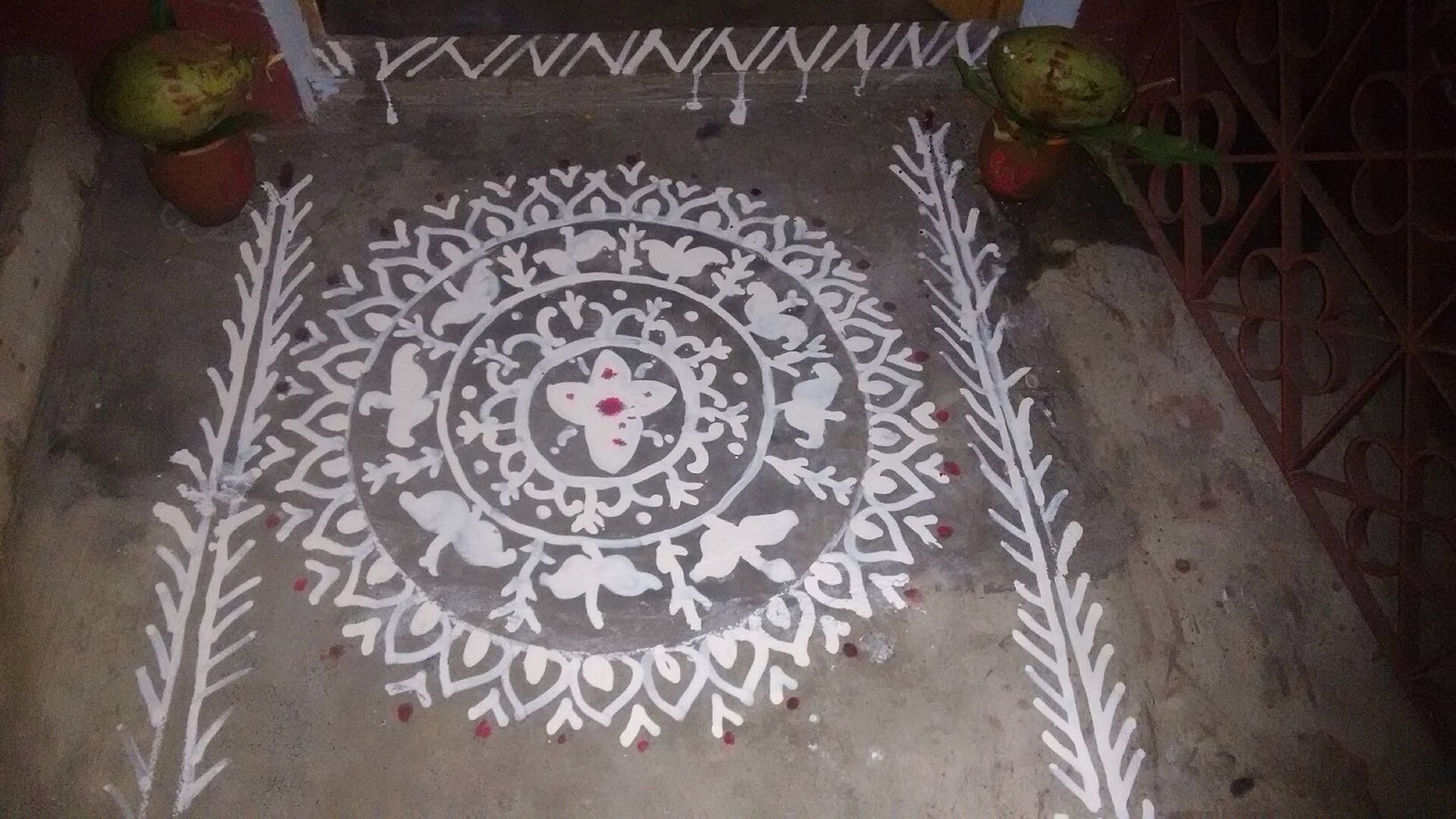
Poila Boishakh is the first day of the month of Boishakh and of the Bengali year, the Bangabda. It is kept by Bengalis of every faith. Shopkeepers take new account books to the temple at dawn and open them with a swastika in red, in the ceremony of Haal Khata; customers are invited in for sweets. Everyone wears something new, greets everyone else with "Shubho Nabo Borsho", and eats as well as the year allows.
The story
The Bengali era is solar, and its year begins when the Sun enters Mesha. Its count is traced either to the seventh-century king Shashanka of Gauda, or to the Mughal emperor Akbar, who had the revenue year reset to follow the harvest.
The modern celebration owes much to Tagore, whose song welcoming Boishakh opens the morning programmes, and to the fairs of rural Bengal that follow the Charak festival on the last day of the old year.
এসো হে বৈশাখ, এসো এসো
Come, O Boishakh, come, come
Rabindranath Tagore
How the day goes
- Haal KhataThe new ledger is blessed at a temple and old accounts are settled; customers are given sweets and a calendar.
- Probhat pheriMorning processions with song.
- AlpanaPatterns in white rice paste on floors and streets.
- The mealRice, shukto, fish, and mishti doi; in Bangladesh, panta bhat with fried hilsa.
- Boishakhi melaFairs with clay toys, jatra and folk music.
Why this date
Poila Boishakh is the first day of the solar month of Boishakh, which in the Bengali reckoning begins on the day after the Sun enters Mesha: 14 or 15 April.
Poila Boishakh in other years
| Year | Date | Day |
|---|---|---|
| 2026 | Wednesday | |
| 2027 | Thursday | |
| 2028 | Friday | |
| 2029 | Sunday | |
| 2030 | Monday | |
| 2031 | Tuesday |
More Bengali festivals
 8 MayAkshaya Tritiyaঅক্ষয় তৃতীয়া
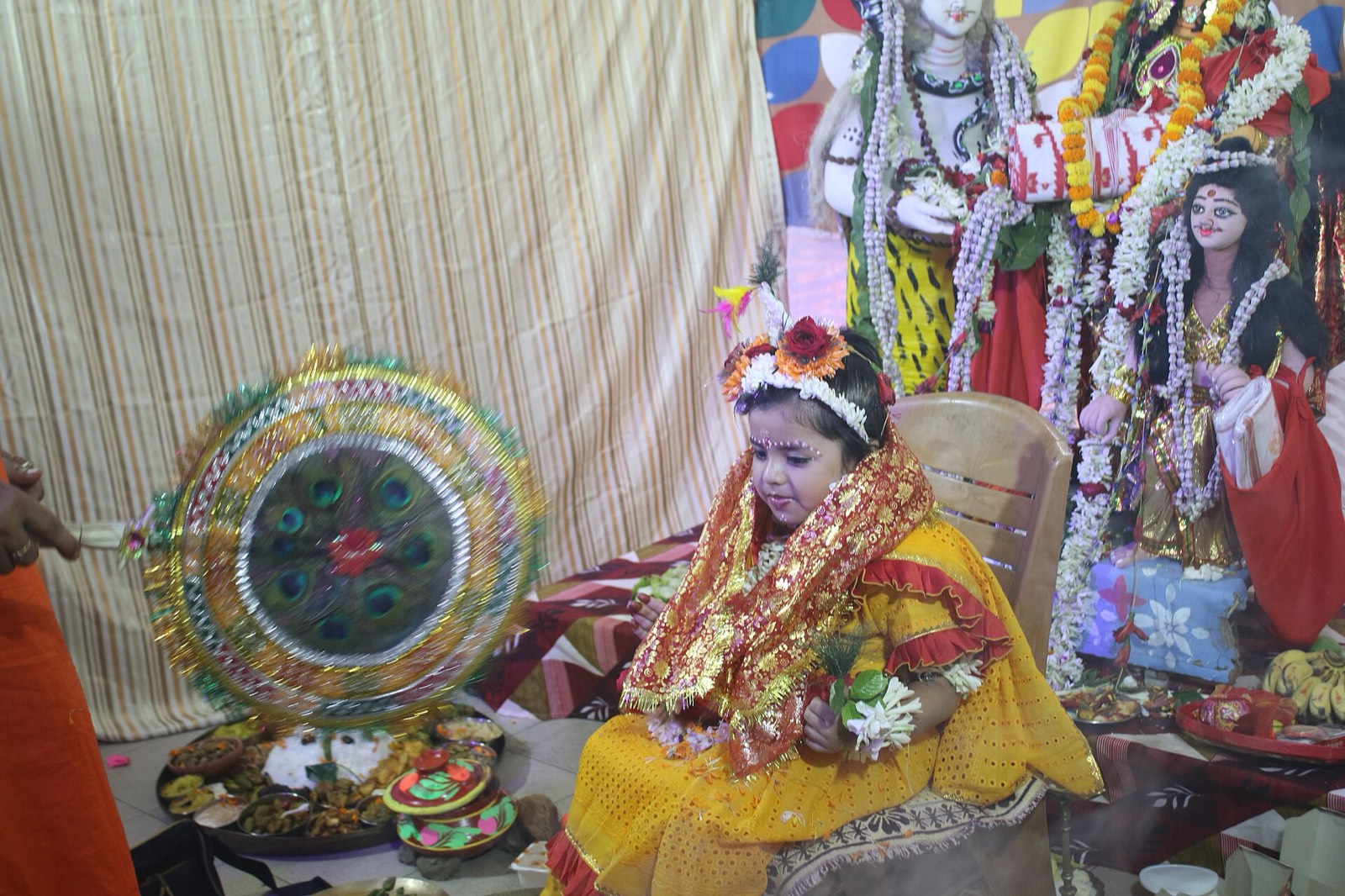 15 AprilRam Navamiরাম নবমী
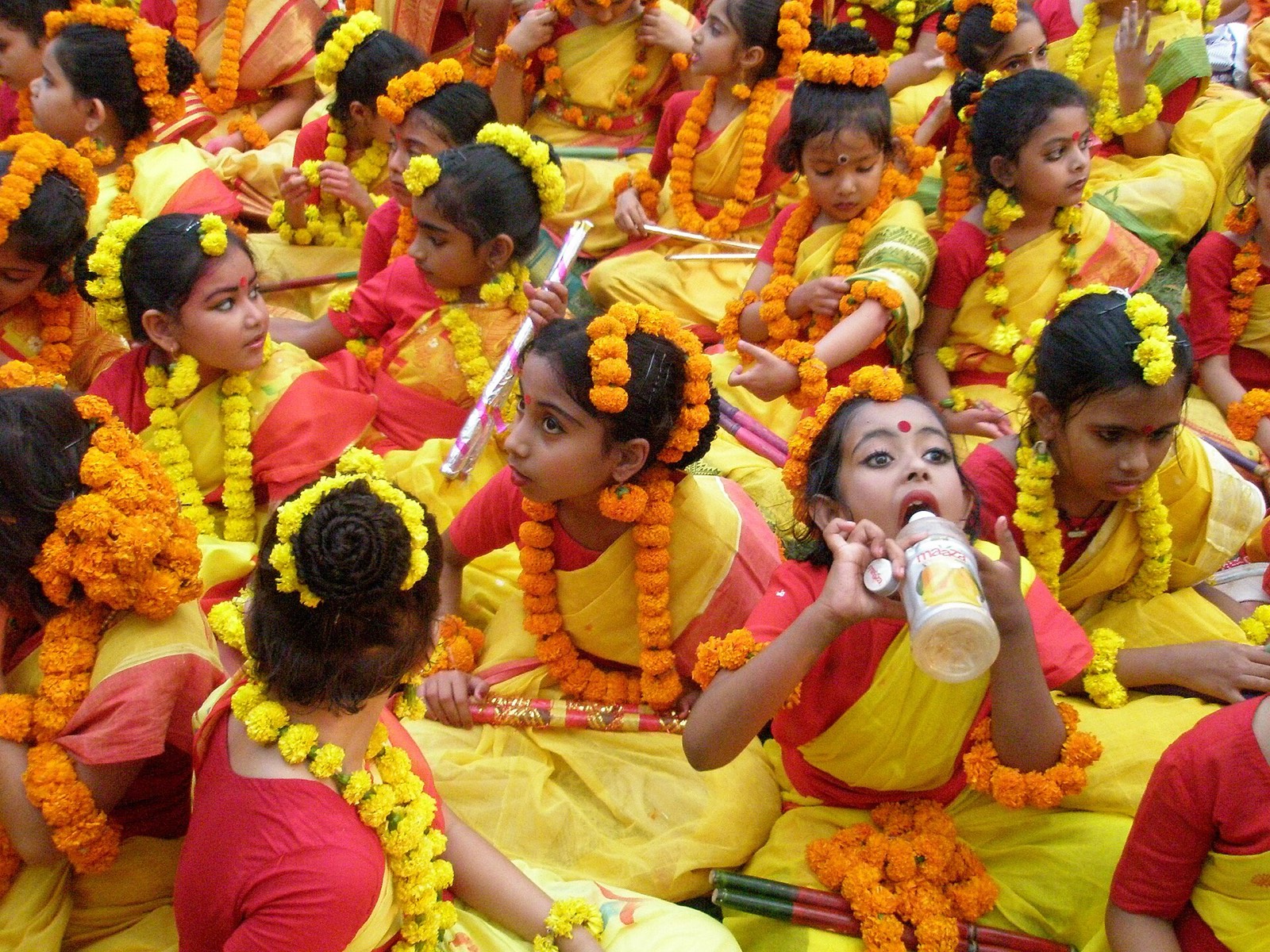 22 MarchDol Purnimaদোলযাত্রা
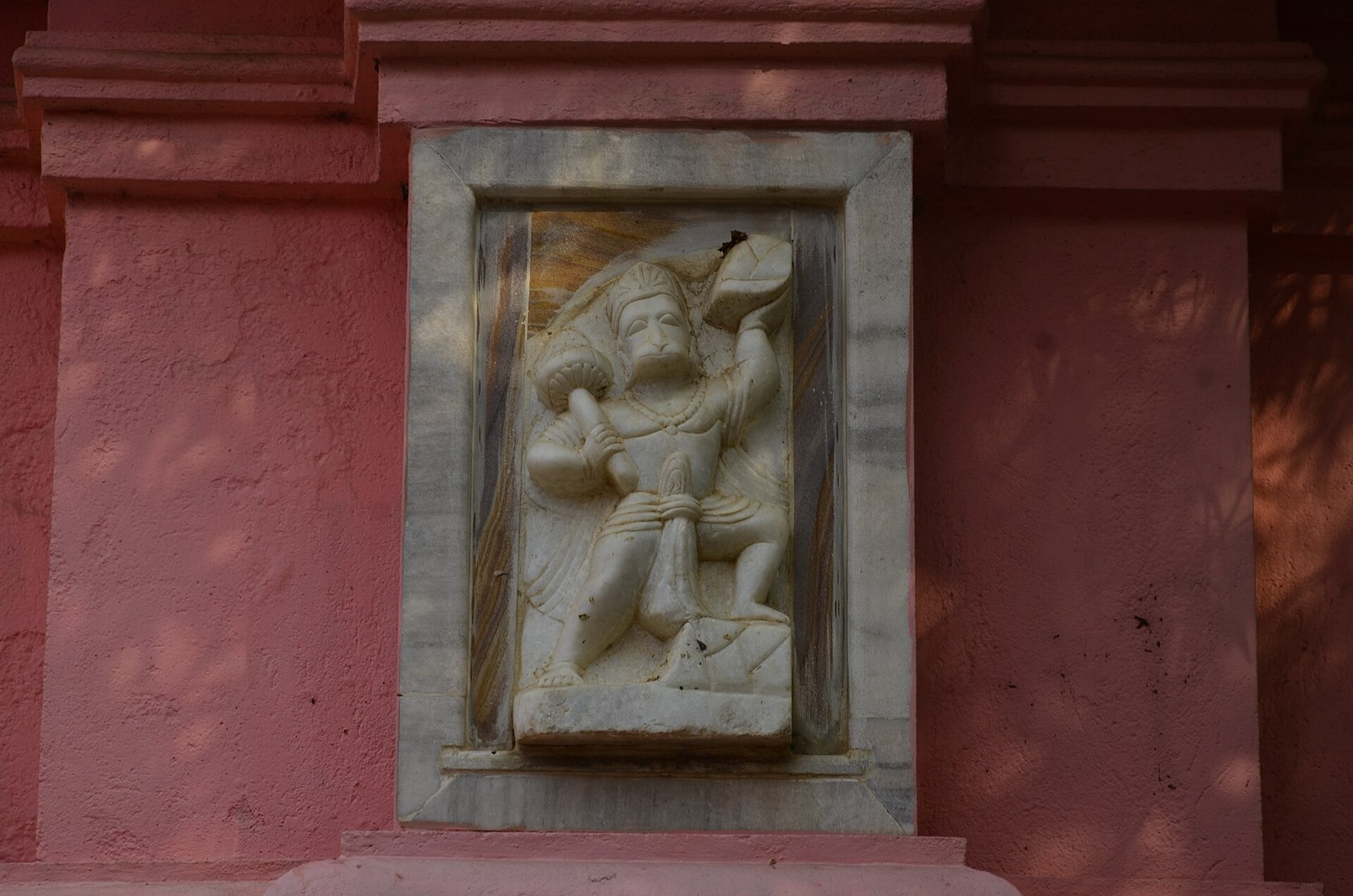 20 AprilHanuman Jayantiহনুমান জয়ন্তী
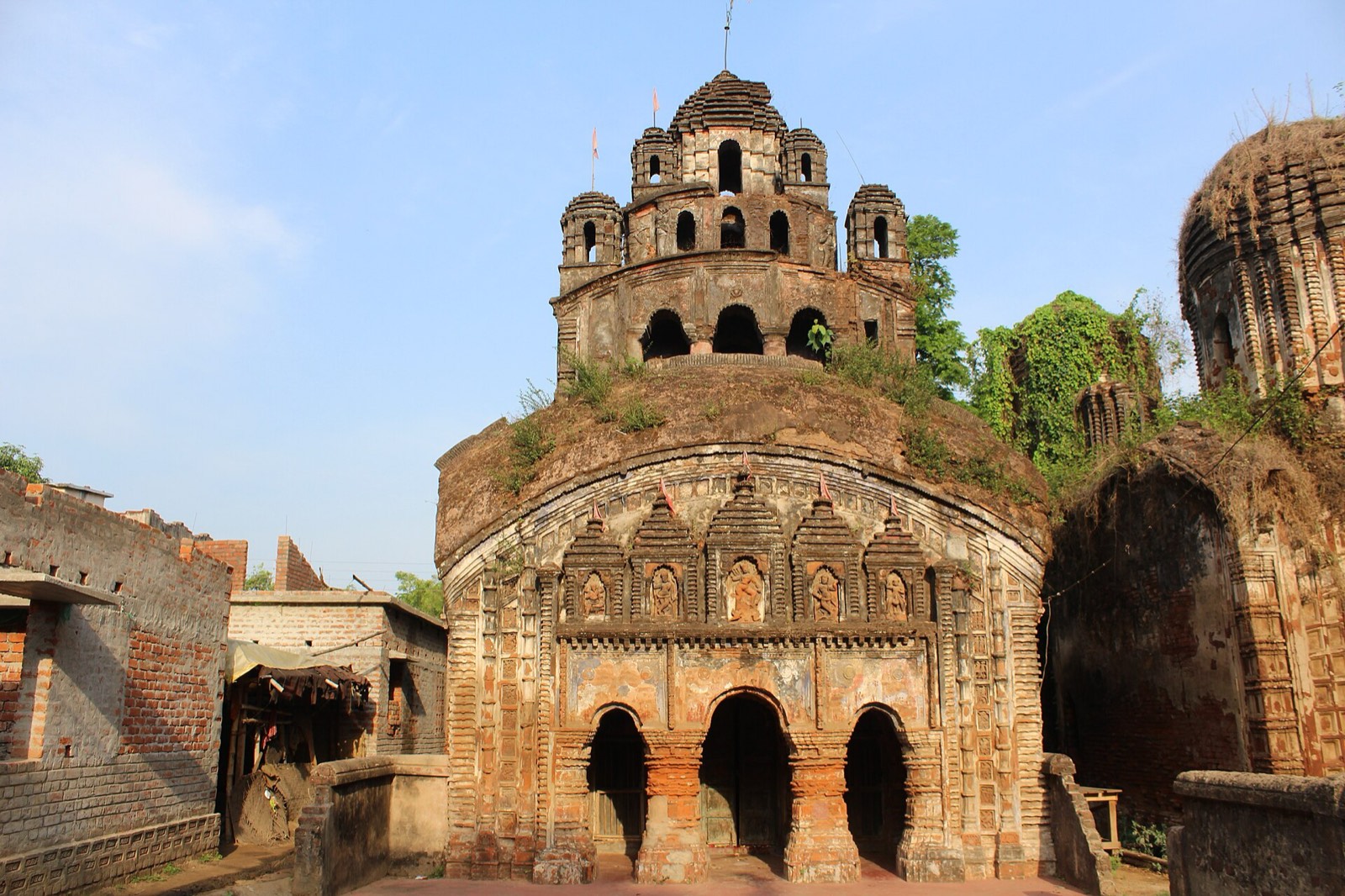 6 MarchMaha Shivaratriমহা শিবরাত্রি
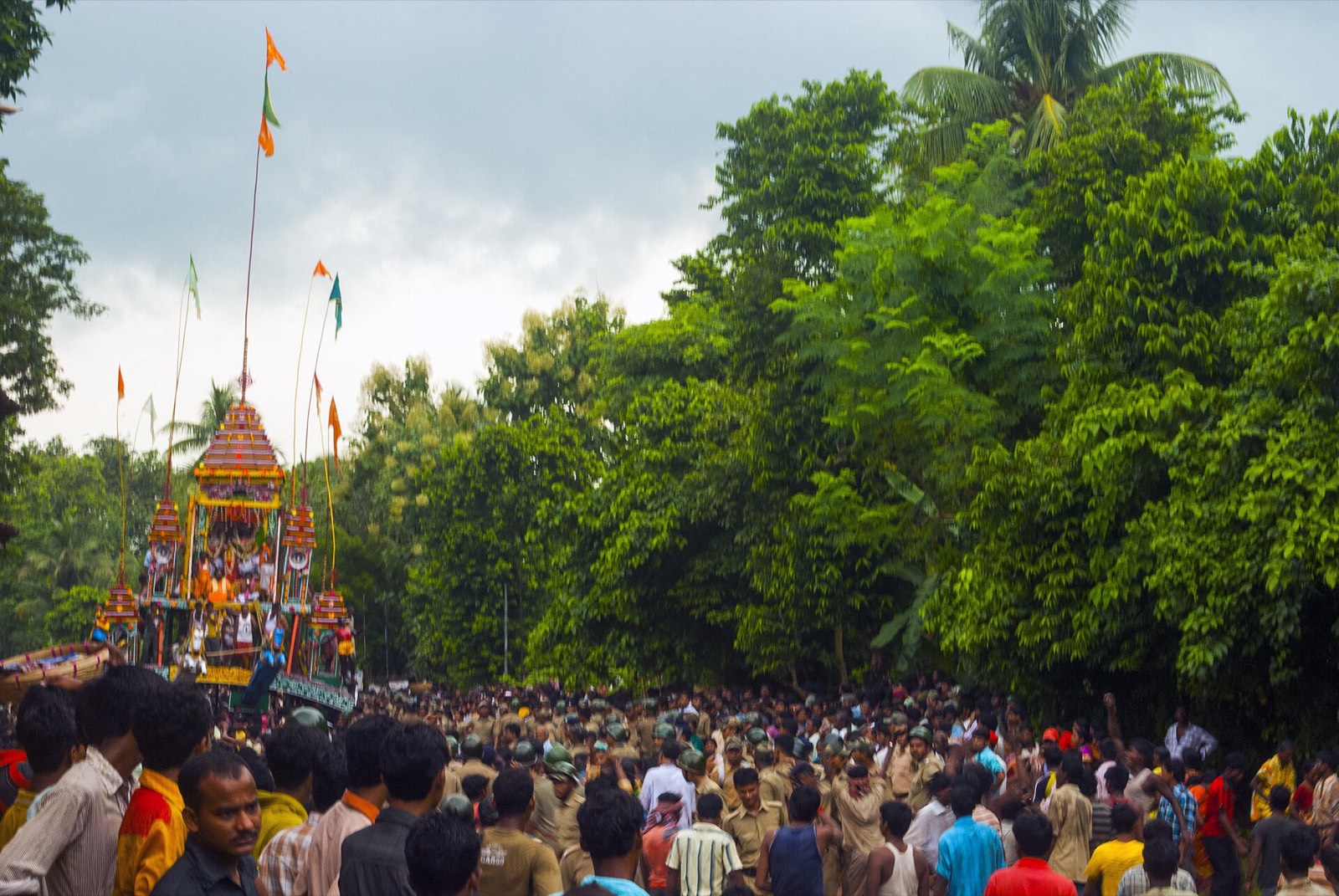 14 JulyShayan Ekadashiশয়ন একাদশী
Where to see Poila Boishakh
In West Bengal
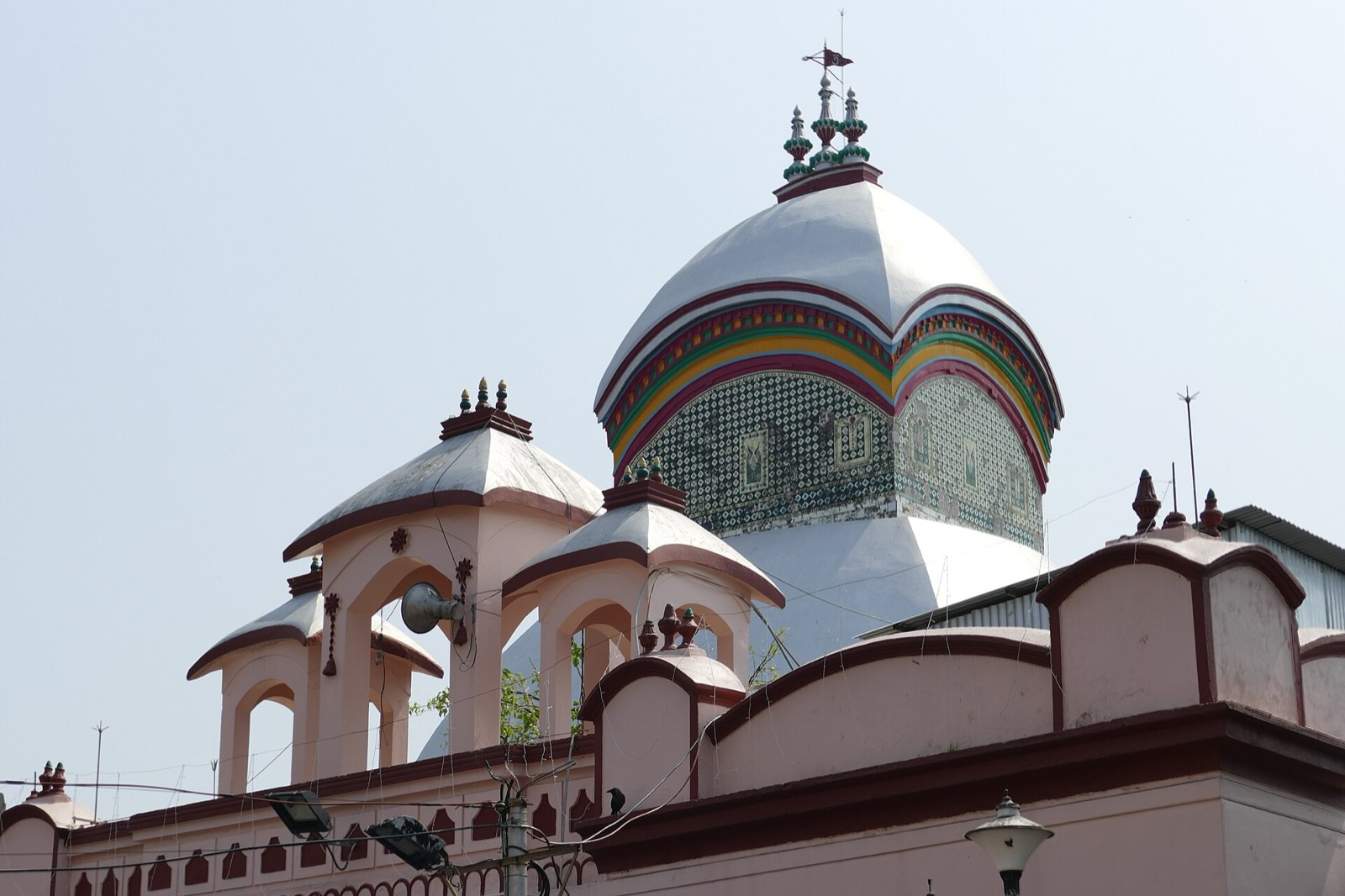
- Kalighat Temple, KolkataWest BengalTraders queue through the night to have their ledgers blessed.
- Dakshineswar Kali TempleWest BengalThe other great goddess temple of the city, as crowded.
- College Street, KolkataWest BengalThe publishers' quarter keeps the day with open house for authors and readers.
- SantiniketanWest BengalA morning of Tagore's songs under the trees.
Across India
- AgartalaTripuraThe other Bengali-speaking state keeps the same new year.
- GuwahatiAssamRongali Bihu, the Assamese new year, a day earlier.
- PuriOdishaPana Sankranti, the Odia new year, on the day before.